
Identification Notes
EPPO Code- |
Life CyclePerennial |
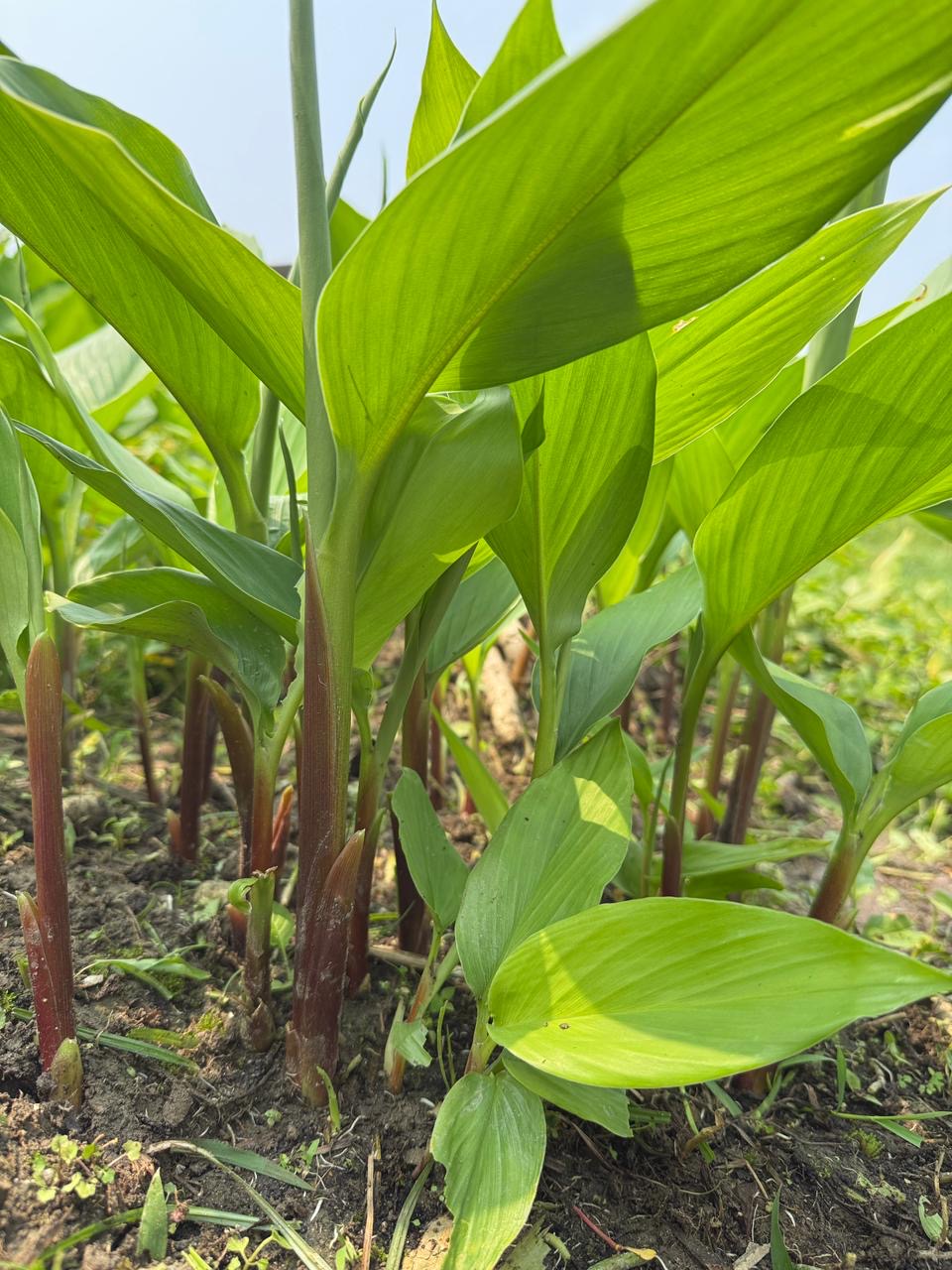
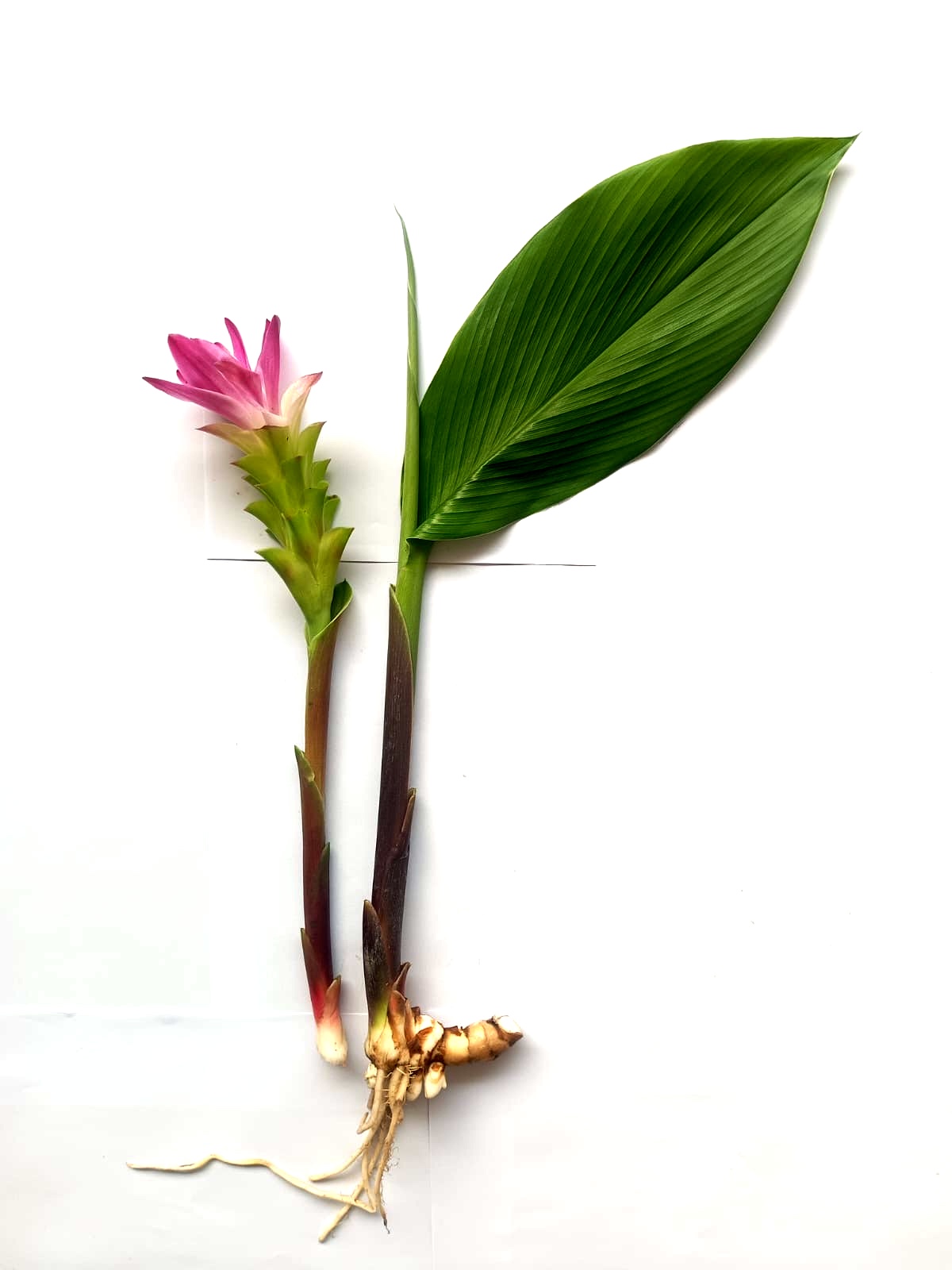
MorphologyStem Aerial shoot forms a pseudostem from leaf sheaths, erect and herbaceous. Leaves Large, oblong-lanceolate to elliptic, smooth and glabrous; green with a characteristic ferruginous (rust-colored) or purplish marking along the midrib. Leaves arise from the base and are arranged in two rows. Inflorescence A dense terminal spike emerging from the rhizome or between leaves; bracts green with a reddish or ferruginous tinge, with brightly colored sterile coma bracts at the top. Flowers pale yellow to pinkish. Fruit Capsule; however, fruit and viable seeds are rarely produced. Rhizome Underground, aromatic, branched rhizome producing pseudostems. |
Growing seasonThe foliage typically dies down in late autumn or winter, but the rhizome remains dormant and regrows in spring, often during the monsoon season. |
Germination periodMarch to May |
Flowering periodMay to August |
PropagationBy Rhizome |
HabitatFound in the moist, well-drained soils and partial shade. Also found in shady moist roadsides, homesteads, and tropical forests. |
Weed potentialCurcuma ferruginea (Kalo Shoti/Kalo Shoti) is a rhizomatous perennial plant, often considered more of an underutilized medicinal and ethno-botanical herb rather than an aggressive weed in most Southeast Asian habitats. |
Control measureManually uprooting the rhizomes. Apply the herbicide when Kalo Shoti is in an actively growing, leafy stage rather than under dormant or drought conditions, as this promotes effective translocation of the chemical to the rhizomes. Owing to its robust rhizome system, a follow-up application may be necessary if regrowth is observed. |
Recommended herbicideGlyphosate (Roundup), Dicamba or 2,4-D |
DistributionNative distribution extends from Northeast India to Myanmar. The species predominantly occurs in seasonally dry tropical biomes. |
Medicinal propertiesKalo Shoti (Curcuma ferruginea), a member of the Zingiberaceae family related to turmeric and ginger, possesses notable medicinal potential and is widely used in traditional folk medicine. It is commonly applied to treat infections, skin disorders, and inflammatory conditions. Evidence from studies on Curcuma species suggests that C. ferruginea may exhibit antimicrobial, anti-inflammatory, hepatoprotective, and anti-tumor properties. Traditionally, it has been used for managing leprosy, intermittent fever, and various skin infections. These therapeutic effects are largely attributed to its essential oils and bioactive compounds such as curcumin, which confer antioxidant, anti-inflammatory, and antimicrobial activities. |
References- |